
In today’s competitive digital landscape, building high-quality backlinks is essential for improving search engine rankings and driving organic traffic. One effective strategy that SEO professionals and marketers use is leveraging Web 2.0 sites for backlinks. These platforms offer a unique opportunity to create content and naturally integrate links back to your website. In this guide, we will explore how to use Web 2.0 sites for backlinks effectively, providing tips, best practices, and the benefits of this powerful SEO technique.
What Are Web 2.0 Sites?
Before discussing how to use Web 2.0 sites for backlinks, it’s important to understand what these platforms are. Web 2.0 sites are platforms that allow users to create and share content easily. Unlike static websites, Web 2.0 platforms encourage user interaction and content creation. Examples include popular sites like WordPress.com, Blogger, Tumblr, Medium, and Weebly.
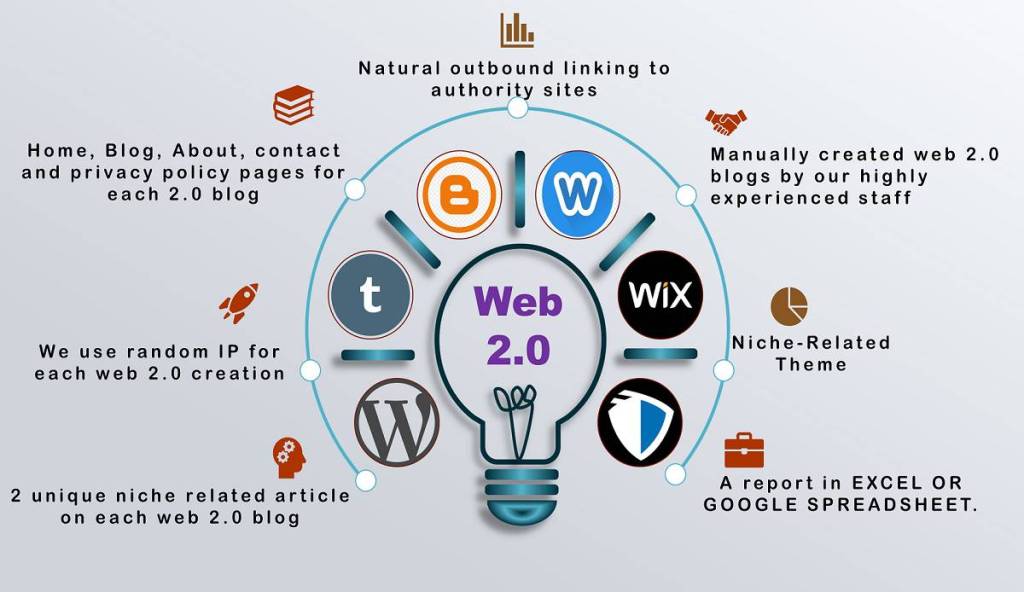
These platforms typically offer free content creation options, making them accessible to anyone who wants to build their own microsites or blogs. These microsites provide a valuable opportunity to create backlinks, which can boost your website’s SEO.
Why Use Web 2.0 Sites for Backlinks?
Understanding the benefits of using Web 2.0 sites for backlinks is crucial to appreciating why this strategy works so well. Here are the primary advantages:
- Free and Easy to Use: Most Web 2.0 platforms are free, which allows you to create content without any financial investment. Additionally, they are user-friendly, making them an excellent option for beginners and experienced marketers alike.
- Control Over Content: Unlike guest posting, where you rely on external sites, using Web 2.0 platforms gives you full control over the content you produce. This means you can create content that directly supports your SEO strategy and naturally integrates backlinks.
- High Domain Authority: Many Web 2.0 sites have high domain authority (DA). By placing backlinks on these platforms, you can boost your site’s authority in the eyes of search engines, potentially improving your search rankings.
- Diverse Backlink Profile: Building backlinks from multiple Web 2.0 platforms helps diversify your link profile. Search engines value diversity in backlinks, viewing it as a sign of a natural and trustworthy site.
How to Use Web 2.0 Sites for Backlinks
Now that you understand the value of Web 2.0 sites, let’s explore the step-by-step process of how to use Web 2.0 sites for backlinks effectively.
1. Choose the Right Web 2.0 Platforms
The first step in using Web 2.0 sites for backlinks is selecting the right platforms. Focus on well-established and high-domain-authority platforms. Some of the best Web 2.0 sites include:
- WordPress.com
- Blogger
- Tumblr
- Medium
- Weebly
Choosing reputable sites ensures that your backlinks are from trusted sources, which helps improve your website’s authority.
2. Create High-Quality, Unique Content
Once you have selected your platforms, the next step is to create high-quality, relevant content. Content is the foundation of any backlink strategy, and it’s crucial that your Web 2.0 blogs provide value to readers. When using Web 2.0 sites for backlinks, aim to create posts that are:
- Informative: Address a relevant topic that is useful to your target audience.
- Unique: Avoid duplicate content at all costs. Web 2.0 platforms will rank unique content higher, and it will prevent penalties from search engines.
- Engaging: Write in a way that captures readers’ attention. Use visuals, subheadings, and clear language to enhance readability.
Remember, the goal is to provide value while integrating backlinks naturally within the content. Aim to use the keyword “how to use Web 2.0 sites for backlinks” in relevant sections, such as in subheadings and the introduction.
3. Integrate Backlinks Naturally
When adding backlinks, it’s essential to do so in a way that feels organic to the reader. Avoid forcing links where they don’t fit, as this can be flagged as spam by search engines. Instead, place backlinks in context, ensuring they align with the topic you’re discussing. For example:
- Anchor Text: Use varied anchor texts, including branded, keyword-rich, and natural phrases like “click here.” Avoid using exact-match anchor text repeatedly, as this can lead to over-optimization.
- Contextual Links: Link to blog posts, articles, or relevant pages on your main website. These should complement the topic of your Web 2.0 content and provide further information for readers.
Ensure that you use Web 2.0 sites for backlinks by placing one or two contextual links in each article. Over-linking can appear manipulative and may hurt your SEO efforts.
4. Maintain Consistency Across Platforms
Consistency is key when you use Web 2.0 sites for backlinks. This means creating content regularly on your chosen platforms. The more frequently you update your microsites, the more active and valuable they appear to both search engines and readers.
You don’t need to post daily, but regular updates help your Web 2.0 blogs stay relevant. Additionally, make sure each post has a backlink or two, helping build a strong link profile over time.
5. Build a Network of Microsites
To truly maximize the impact of using Web 2.0 sites for backlinks, create multiple microsites across various platforms. This allows you to diversify your backlink sources, which is beneficial for SEO. Each platform offers a different audience, and by cross-linking between them, you can enhance your overall visibility and ranking potential.
For example, create a blog on WordPress, one on Blogger, and another on Tumblr. These sites can link to each other and back to your main website, creating a powerful network of backlinks that search engines recognize as authoritative.
6. Monitor and Track Your Backlinks
Once you’ve begun using Web 2.0 sites for backlinks, it’s important to monitor their performance. Use tools like Ahrefs, SEMrush, or Google Search Console to track the quality and quantity of backlinks coming from your Web 2.0 sites. This helps you evaluate the effectiveness of your strategy and make adjustments if necessary.
Best Practices for Web 2.0 Backlinking
When using Web 2.0 sites for backlinks, it’s crucial to follow SEO best practices:
- Avoid Over-Optimization: Do not overuse the same keywords or anchor text. This can lead to penalties from search engines.
- Diversify Your Link Profile: Build backlinks from multiple sources, not just Web 2.0 sites. This adds natural diversity to your backlink profile.
- Focus on Quality Over Quantity: One high-quality backlink from a trusted Web 2.0 site is more valuable than multiple low-quality links.
Conclusion
Learning how to use Web 2.0 sites for backlinks effectively can significantly boost your SEO efforts. By leveraging high-authority platforms, creating valuable content, and naturally integrating backlinks, you can improve your website’s domain authority and search rankings. Consistency and quality are essential, so continue to create relevant content that benefits your audience while enhancing your backlink profile.
Now that you know how to use Web 2.0 sites for backlinks, start applying these strategies to improve your website’s visibility and grow your online presence organically.








 News and Views